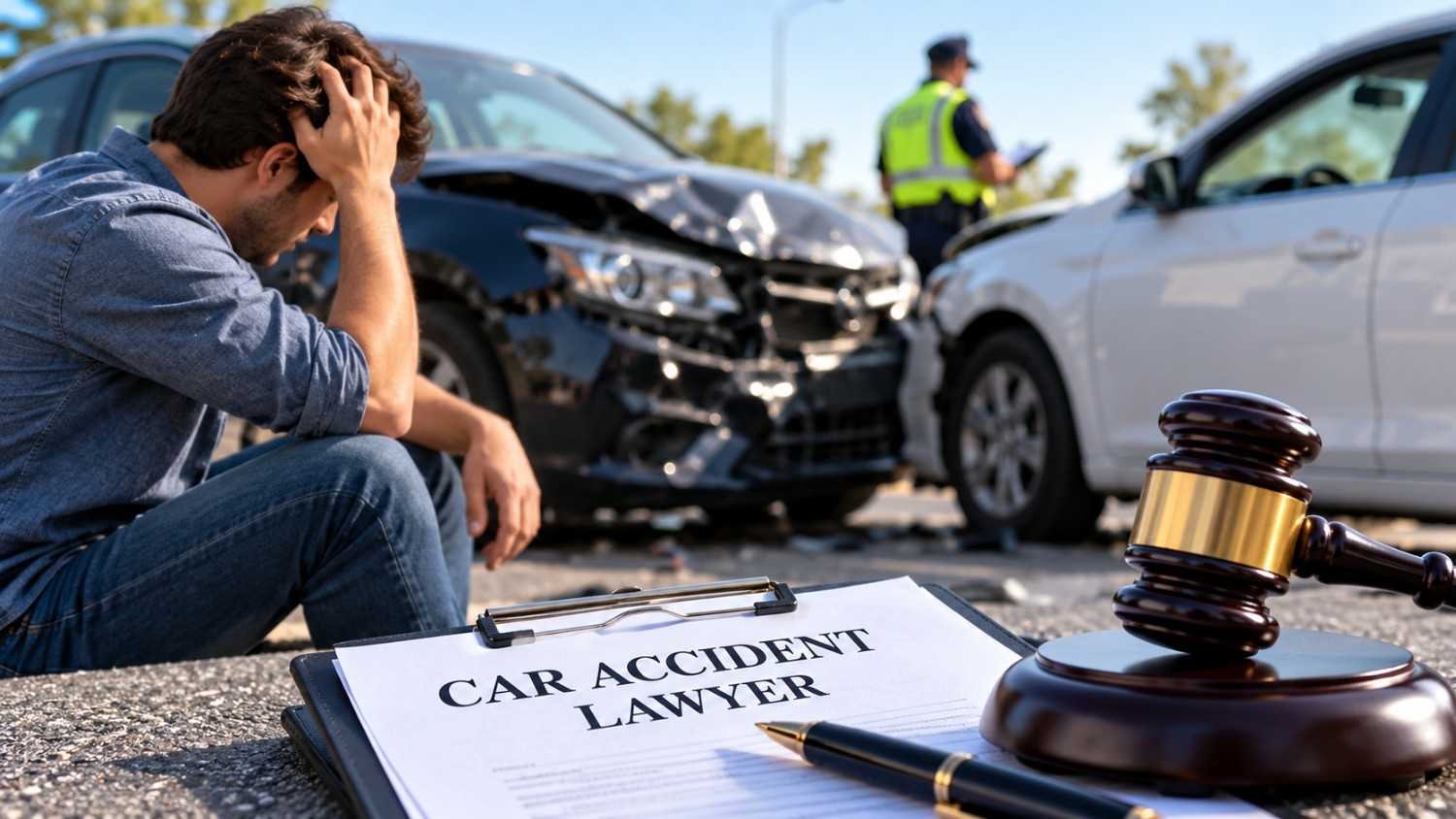
A car accident lawyer reviews the details of a collision with an injured driver and explains possible legal options.
A car accident can change your day in seconds. You may be dealing with injuries, vehicle damage, missed work, and calls from insurance companies. In the middle of all this, it can be hard to know what to do next.
A car accident lawyer may help you understand your legal options, deal with insurance questions, and seek payment for losses when another driver’s actions caused your injuries. However, not every crash requires legal help, and the right steps depend on the facts of the accident and the laws of your state.
Knowing what to do after a collision can help you protect your health, keep important records, and make informed decisions. Here is what drivers across the United States should know after a car accident.
What Should You Do Immediately After a Car Accident?
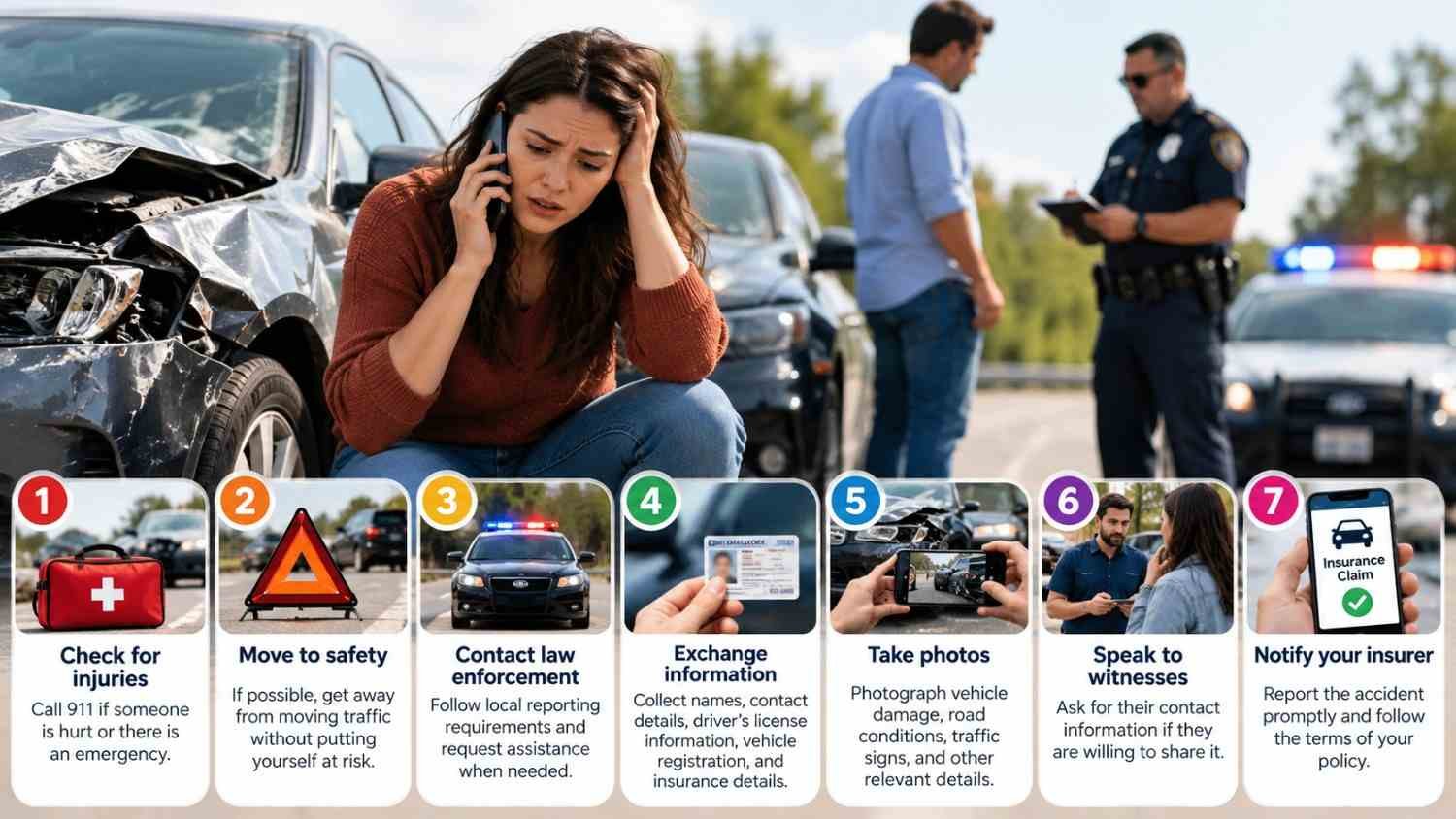
Your safety comes first. Before thinking about repairs or an insurance claim, check whether you or anyone else needs medical help.
Follow these steps when it is safe to do so:
- Check for injuries: Call 911 if someone is hurt or there is an emergency.
- Move to safety: If possible, get away from moving traffic without putting yourself at risk.
- Contact law enforcement: Follow local reporting requirements and request assistance when needed.
- Exchange information: Collect names, contact details, driver’s license information, vehicle registration, and insurance details.
- Take photos: Photograph vehicle damage, road conditions, traffic signs, and other relevant details.
- Speak to witnesses: Ask for their contact information if they are willing to share it.
- Notify your insurer: Report the accident promptly and follow the terms of your policy.
The Nebraska Department of Insurance also recommends collecting accident details, documenting the scene, and contacting your insurance company. Do not assume you are uninjured just because you feel fine immediately after the crash. Some symptoms may appear later. Seek medical advice if you have concerns about your health.
When Should You Contact a Car Accident Lawyer?
Minor accidents with no injuries and straightforward insurance claims may not require an attorney. However, legal guidance can be helpful when the situation becomes more complicated.
You may want to speak with a car accident lawyer if:
- You have serious injuries or need ongoing medical care.
- The insurance company disputes who caused the accident.
- The settlement offer does not appear to cover your documented losses.
- Another driver has no insurance or insufficient coverage.
- Several vehicles were involved in the collision.
- You have lost income because of your injuries.
- The accident caused a long-term disability or lasting pain.
A car accident lawyer can review the facts, explain possible legal options, and help you understand what evidence may support your claim.
It is also worth asking about deadlines. Each state has its own rules, and special circumstances may affect the time available to file a lawsuit. Getting advice early can help you avoid missing an important deadline.
How Can a Car Accident Lawyer Help With an Insurance Claim?

After a collision, an insurance company may investigate the accident, review medical records, inspect vehicle damage, and assess the claim under the applicable policy.
The process can become difficult when the parties disagree about fault or the value of the losses.
Depending on the circumstances, a car accident lawyer may help with several parts of the process.
Reviewing the Evidence
An attorney may examine photographs, medical records, witness statements, police reports, repair estimates, and other relevant documents. This information can help explain how the accident happened and what losses followed.
Communicating With Insurance Companies
A car accident lawyer may handle certain communications with insurers, help prepare supporting documents, and respond to questions about liability or damages.
You should still provide accurate information and follow your insurer’s reporting requirements.
Assessing Potential Compensation
Depending on state law and the available evidence, a claim may include medical expenses, lost income, vehicle damage, and other legally recoverable losses.
Future medical needs or reduced earning capacity may also matter in some cases. However, no particular amount is guaranteed, and compensation depends on the facts, available coverage, and applicable law.
Negotiating or Pursuing a Lawsuit
Some claims settle through negotiations. Others require a lawsuit when the parties cannot reach an agreement.
A car accident lawyer can explain the available options and help you decide how to proceed. Filing a lawsuit does not guarantee a settlement or a successful outcome.
What Evidence Should You Keep After a Car Crash?
Good records can make it easier to explain what happened and document the impact of an accident.
Try to keep the following information in one place:
- Police or incident report details, where available.
- Photographs and videos from the scene.
- Medical bills, treatment records, and appointment details.
- Receipts for prescriptions, travel, and related expenses.
- Vehicle repair estimates and invoices.
- Pay stubs or employer records showing missed work.
- Insurance policy details and claim numbers.
- Emails, letters, and notes from conversations with insurers.
A car accident lawyer may use these records to evaluate the claim and identify missing information.
Keep copies of important documents and avoid altering original photographs or records. If you receive a settlement offer or release, understand its terms before signing. A signed release may limit your ability to seek further compensation, depending on its wording and the applicable law.
How Much Does a Car Accident Lawyer Cost?
Legal fees vary by law firm, location, and case type. Some personal injury attorneys handle eligible claims under a contingency fee agreement. Under this arrangement, the fee is generally tied to the recovery rather than charged as a standard hourly fee.
Before hiring a car accident lawyer, ask clear questions about the fee agreement.
Find out:
- What percentage of a recovery will the attorney receive?
- Are case expenses charged separately?
- What happens if the claim does not succeed?
- Are there any upfront costs?
- How will you receive updates about the case?
Read the written agreement carefully and ask for clarification if anything is unclear. Do not assume every law firm uses the same payment structure.
You can also ask whether the initial consultation is free. Some firms offer one, while others may charge a fee.
What If the Insurance Company Says You Were at Fault?

Fault can be a major issue after a crash, particularly when drivers provide different accounts of what happened.
A car accident lawyer may review the available evidence and explain how your state’s fault rules could affect your claim.
Some states follow comparative negligence rules, under which a person’s compensation may be reduced based on their share of fault. Other rules and restrictions vary by state. The outcome can depend on the specific law that applies to the accident.
If an insurer disputes your account, keep relevant records and ask for an explanation of its decision. Avoid guessing about details you cannot remember clearly.
You should not assume that an insurance company’s first decision is the final word. At the same time, disagreement over fault does not automatically mean you are entitled to compensation.
How to Choose the Right Car Accident Lawyer
Choosing legal representation is an important decision, especially when you are recovering from an injury.
Before making a choice, consider these points:
Relevant experience: Ask whether the attorney handles cases similar to yours and understands the laws in the state where the accident occurred.
Clear communication: Look for someone who explains the process in plain language and answers your questions.
Fee transparency: Request a written explanation of fees, expenses, and payment terms.
Realistic expectations: A trustworthy attorney should discuss potential challenges instead of promising a particular settlement.
Professional standing: Check the attorney’s license and disciplinary information through the relevant state bar or licensing authority.
You can speak with more than one car accident lawyer before deciding whom to hire. Compare their explanations, experience, and fee agreements rather than choosing based only on advertising or promises.
What Should You Remember After a Car Accident?
A collision can leave you with many questions, but you do not have to make every decision at once. Focus first on safety and medical care. Then document the accident, report it as required, and keep records of your expenses and communications.
If you face serious injuries, disputed fault, or a difficult insurance claim, a car accident lawyer may help you understand your options. The right next step will depend on your circumstances and the law in your state.
Take time to understand any settlement or legal agreement before signing it. When you need legal guidance, consider speaking with a qualified attorney who can review the details of your case.
About The Author