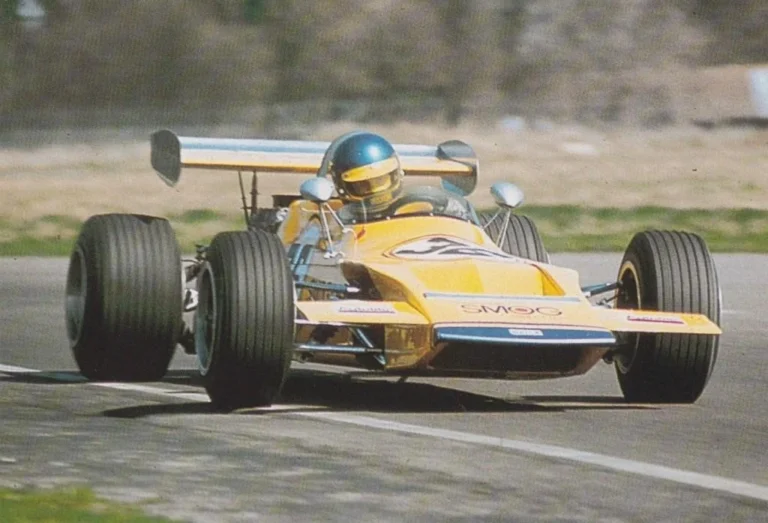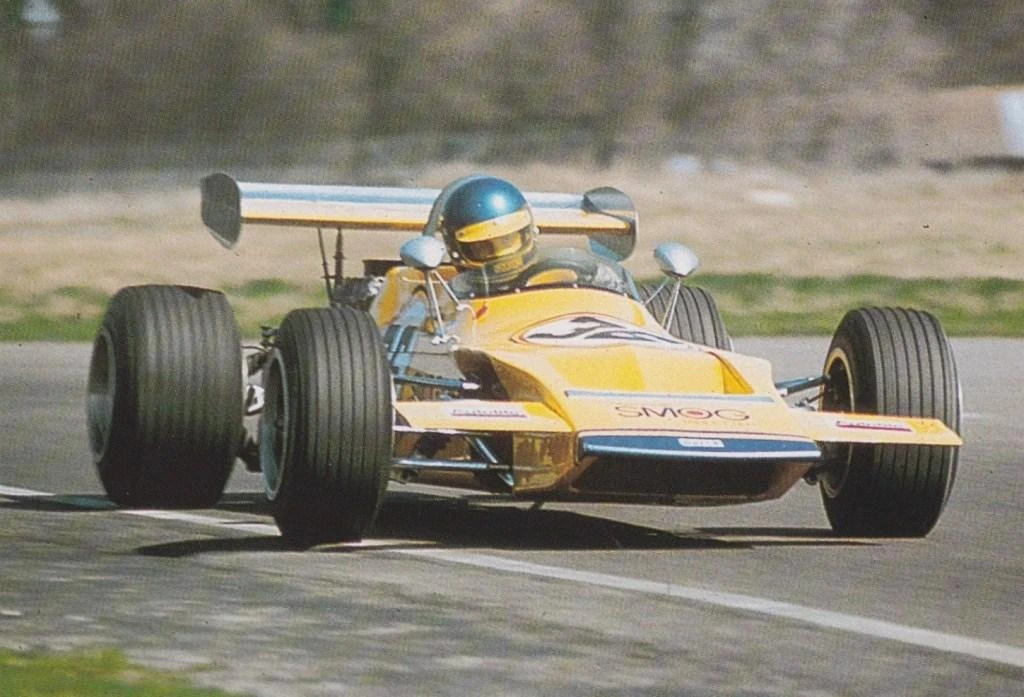
In the 1970s, producing more than 300 horsepower from a naturally aspirated four-cylinder engine was no easy task. Yet British engineer Brian Hart helped make it possible with a lightweight racing engine designed for high-revving motorsport competition.
Known as the Hart 420 engine family, these 2.0-liter four-cylinder powerplants were developed for Formula 2 and sports prototype racing. They combined an aluminum construction, advanced cylinder-head design, and a willingness to operate at engine speeds that would be unusual for an ordinary road car.
The reported peak output reached approximately 305 bhp at 9,500 rpm. Some accounts also put the engine’s weight at around 220 pounds, although that figure should be treated cautiously because specifications can vary by version and configuration.
The result was an engine that demonstrated how displacement alone does not determine performance. Its design focused on breathing efficiency, high engine speeds, and keeping mass under control.
The Secret To Its Large Power Output Was Revs
The Hart 420’s power came from more than its four-cylinder layout. One of the biggest factors was its ability to produce power at very high engine speeds.
The engine family was a naturally aspirated, 2.0-liter inline-four with double overhead camshafts and four valves per cylinder. Fuel injection helped deliver fuel to the engine, while the cylinder-head design supported the airflow required for high-output racing operation.
Historical coverage in Motor Sport Magazine described Brian Hart’s two-liter engine producing 305 bhp at 9,500 rpm and tolerating short bursts above 10,000 rpm. Those figures show just how differently a competition engine was designed compared with a conventional road-car engine.
Why does engine speed matter?
Horsepower is a measure of how quickly an engine can do work. Torque describes its twisting force, while horsepower reflects both torque and rotational speed. An engine that can maintain useful torque at high RPM can produce substantial peak horsepower without relying on a turbocharger.
However, simply increasing the rev limit does not automatically make an engine powerful. The engine must also breathe efficiently, control its valves, manage combustion, and withstand the mechanical forces created by high rotational speeds.
That is where Hart’s engineering approach became important. Rather than relying on forced induction, the Hart 420 used its naturally aspirated design and high operating speed to produce impressive output for its displacement.
This also explains why the engine’s power delivery would have differed from that of a modern turbocharged road car. A high-revving racing engine is generally designed to operate within a relatively focused performance range, with gearing helping keep it in that range.
Brian Needed To Make The Hart 420S Engine Breathe
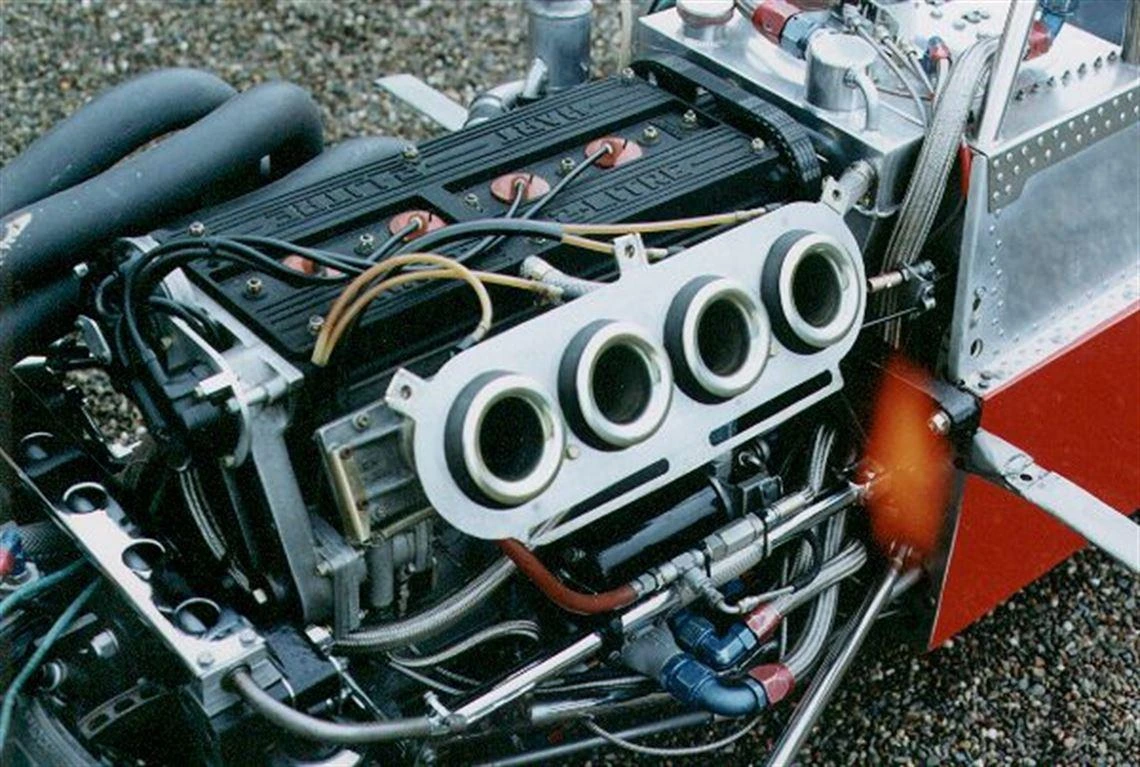
Getting more power from a small engine requires moving air efficiently through it. The Hart 420’s cylinder head and valve arrangement played an important role in that process.
The 420 family used a double-overhead-camshaft layout with four valves per cylinder. With four cylinders, that meant 16 valves in total. The design gave the engine the potential to move air through the intake and exhaust ports efficiently at high engine speeds.
The Hart 420S and 420R were related but distinct versions. The 420S drew on Cosworth BDG design knowledge, while the 420R was based on the Cosworth FVA. They shared the broader goal of delivering competitive naturally aspirated power for racing applications, but they should not be treated as mechanically identical in every detail.
Brian Hart’s earlier experience working with Cosworth engines helped him develop the knowledge needed to create and refine competitive racing powerplants. His work focused on making established engine concepts perform at a higher level through detailed engineering and development.
Airflow was only one part of the challenge. Fuel delivery, combustion, valve control, cooling, and the strength of internal components all had to work together. At sustained high engine speeds, even small weaknesses could affect performance or reliability.
The 420 engine family illustrates how a naturally aspirated engine can produce remarkable specific output when its components are designed around a clear racing objective.
For a modern comparison, the Ford Mustang Mach 1’s performance heritage offers another way to explore how engine character and performance engineering contribute to a sports car’s identity. The Mustang is a very different vehicle, but both stories highlight the importance of engineering choices beyond a single horsepower figure.
Weight Was Just As Important As Breathing
In motorsport, making more power is only part of the job. Engineers must also consider how much the engine weighs and how its mass affects the car carrying it.
The Hart 420’s reported weight of around 220 pounds is one reason the engine attracts attention today. However, this number should be verified against the exact version and the components included in the measurement before being presented as a definitive specification.
The engine family used aluminum-alloy construction for its block and cylinder head. Aluminum is less dense than cast iron, making it useful when engineers want to reduce mass without abandoning the structural requirements of a racing engine.
Lower engine weight can benefit a race car in several ways. It can reduce the vehicle’s overall mass, and the engine’s position can influence weight distribution. Depending on the chassis layout, reducing mass around the engine can also help engineers achieve their handling targets.
But a lightweight engine is not automatically a better engine. Racing components must withstand combustion pressure, vibration, high rpm, and temperature changes. Reducing weight while maintaining adequate strength requires careful design and material selection.
The complete car matters, too. Suspension geometry, tire performance, aerodynamic balance, chassis stiffness, and gearing all influence lap times. The Hart 420’s significance comes from how its weight-conscious design worked alongside its power output, not from its weight alone.
This is also why a small, powerful racing engine cannot be judged by the same priorities as a pickup-truck engine. A road-going truck may need low-speed torque, durability under sustained loads, and a broad operating range. A Formula 2 engine is built around a different set of demands.
Hart Forged His Reputation By Facing Down The Big Boys
Brian Hart did not begin his career with the resources of a major car manufacturer. He built his reputation through engineering, engine development, and work with racing teams that needed competitive performance without the backing of a large factory program.
After working with Cosworth, Hart established Brian Hart Limited in 1969. He developed and tuned Ford-based racing engines before moving toward his own engine designs as competition in Formula 2 intensified.
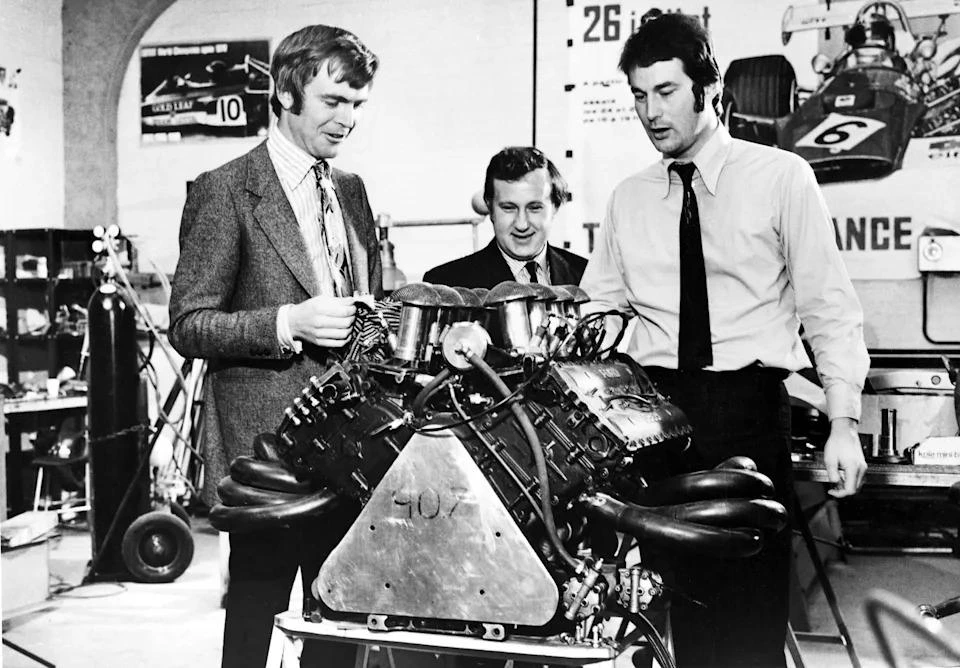
The Hart 420R emerged as an important step in that progression. It raced in sports cars before becoming a competitive Formula 2 engine, helping establish Hart as a serious independent engine builder. His work with the Toleman team later helped the partnership achieve major success in the 1980 European Formula 2 Championship, when Brian Henton and Derek Warwick finished first and second in the standings.
The story is not simply about producing a large horsepower figure from a small engine. It is also about the work required to turn engineering knowledge into a competitive package.
Hart had to balance performance, reliability, development costs, and the practical needs of racing teams. Against better-funded rivals, a well-engineered engine could make a significant difference, but it still needed the right chassis, drivers, preparation, and race strategy to succeed.
His later involvement in Formula 1 extended that engineering story. Hart developed turbocharged engines for the Toleman team in the early 1980s, showing that his work was not limited to naturally aspirated powerplants.
For another look at how automotive engineering and performance ambitions shape a vehicle’s identity, readers can explore our article on the 2027 Cadillac V16. The project belongs to a different era and category, but it provides a useful contrast in how manufacturers approach high-performance engineering.
Why The Hart 420 Still Matters
The Hart 420 engine family remains an interesting example of what racing engineers could achieve through naturally aspirated design. Its reported peak output of 305 bhp at 9,500 rpm demonstrates the potential of a carefully developed two-liter engine operating at high speed.
Its lightweight construction, multi-valve cylinder head, and racing-focused development all contributed to its character. Just as importantly, the engine formed part of Brian Hart’s broader effort to compete with established names in motorsport.
The lesson is not that every modern engine should chase higher revs or smaller displacement. Engine design is always a compromise between output, efficiency, durability, cost, and the demands of the vehicle.
Instead, the Hart 420 shows how engineering priorities can produce very different results. A racing engine designed to deliver peak power at high rpm has different needs from a road car, a tow vehicle, or a modern hybrid.
That is what makes this 1970s four-cylinder noteworthy: it combined a relatively small displacement with serious racing power at a time when achieving that balance required extensive development and careful attention to detail.
Frequently Asked Questions
How much horsepower did the Hart 420 produce?
Historical accounts report up to approximately 305 bhp at 9,500 rpm for the Hart 420 engine family. Exact specifications can differ between versions.
Was the Hart 420 turbocharged?
The 420R and 420S versions discussed here were naturally aspirated. Brian Hart later developed turbocharged engines for Formula 1, including the 415T.
How large was the Hart 420 engine?
It was a two-liter, four-cylinder racing engine designed for applications including Formula 2 and sports prototype competition.
Who developed the Hart 420?
British engineer Brian Hart and his company developed the engine family, drawing on earlier experience with Cosworth-based racing engines.
Why could the Hart 420 produce so much power?
Its high-revving design, 16-valve cylinder head, efficient airflow, fuel injection, and racing-focused development helped it produce substantial power for its displacement.
About The Author