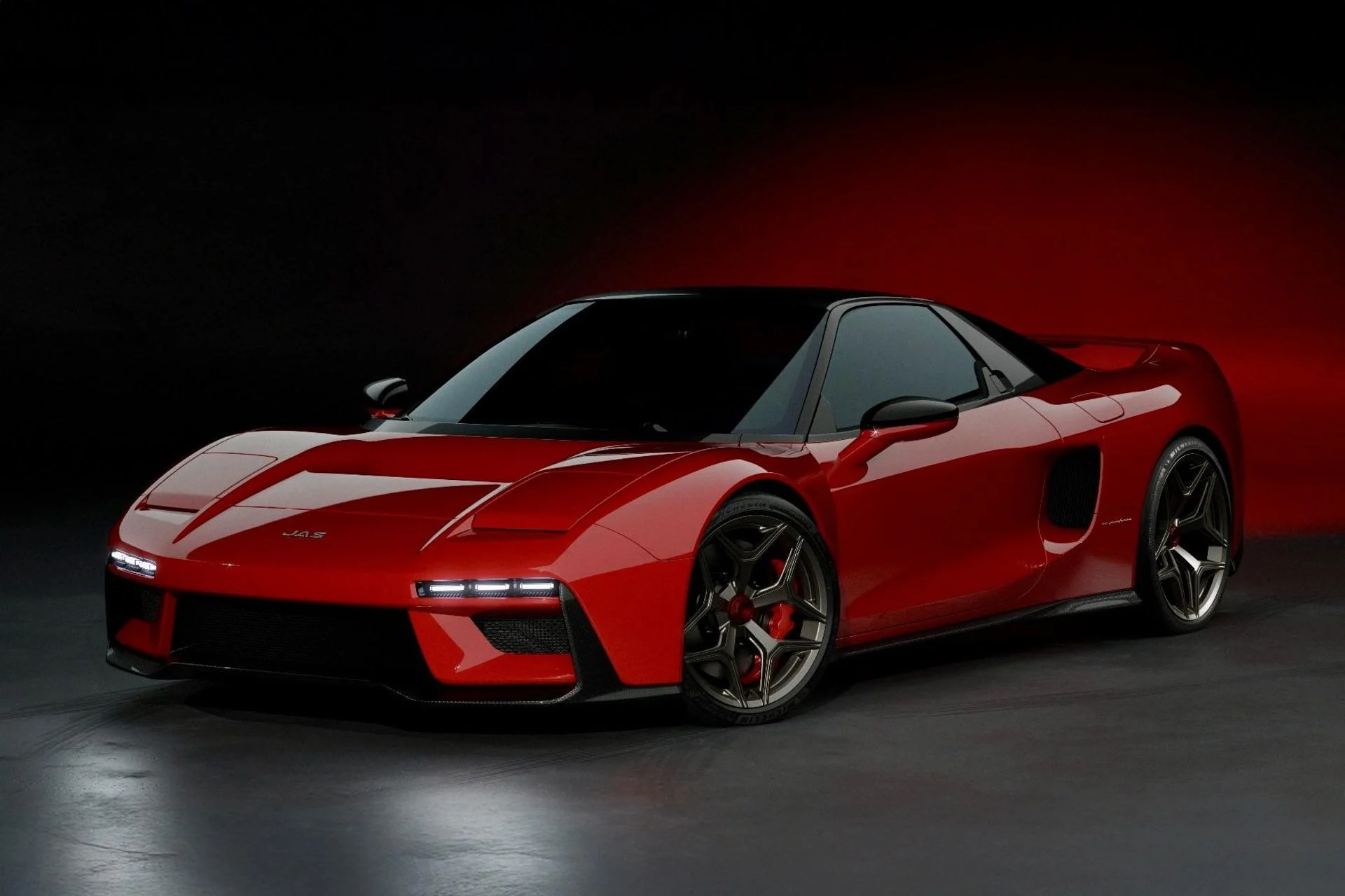
The legendary Honda NSX has inspired a new generation of automotive enthusiasts, and now it has received a dramatic modern reinterpretation. Meet the JAS Tensei, an ultra-exclusive sports car that combines the character of the original NSX with Italian design, modern engineering, and a naturally aspirated V6 engine.
Unveiled in its finished form in October 2026, the JAS Tensei is a collaboration between Italian motorsport specialist JAS Motorsport and renowned design house Pininfarina. Rather than creating an entirely new production car, the companies have re-engineered the first-generation NSX into a limited-run machine with updated styling, a carbon-fiber body, and a driver-focused interior. Just 35 examples are planned worldwide.
For fans of classic Japanese sports cars, the Tensei offers an interesting alternative to modern performance vehicles that increasingly rely on turbocharging, electrification, and automatic transmissions.
What Is the JAS Tensei?
The JAS Tensei is a high-end reinterpretation of the original Honda NSX, the mid-engine sports car that helped change perceptions of Japanese performance cars in the 1990s.
The project is led by JAS Motorsport, an Italian company with decades of motorsport experience and a long history of working with Honda. Pininfarina is responsible for redesigning the car’s exterior and interior while preserving the recognizable proportions and character of the original NSX.
The name “Tensei” translates roughly to “rebirth” in Japanese. It reflects the project’s aim: to give a celebrated sports car a new identity without losing the qualities that made it special in the first place.
Importantly, the Tensei is not an official new-generation Honda NSX produced by Honda. It is a limited-run, extensively re-engineered project based on the original car.
JAS Tensei Engine and Performance
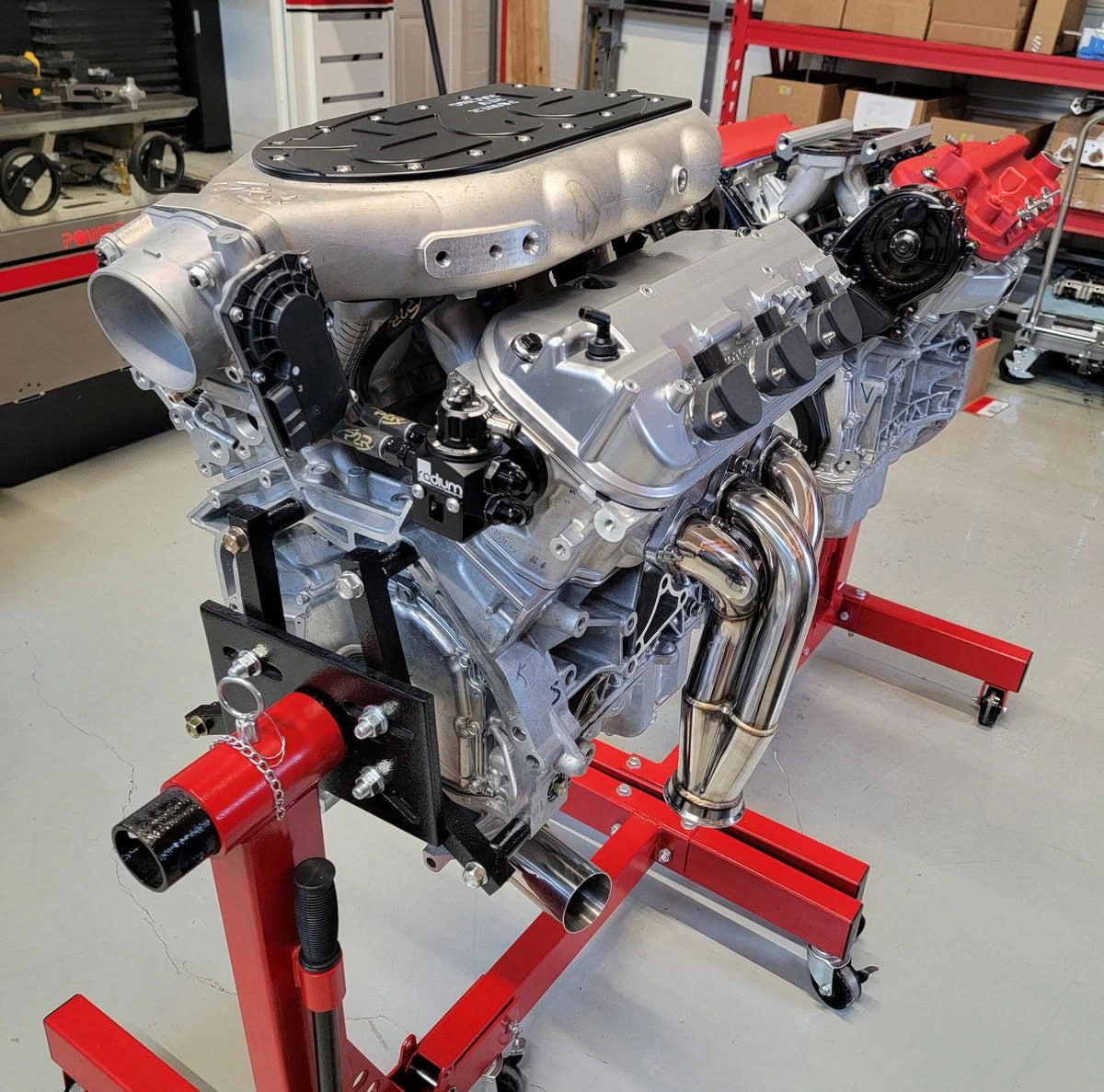
One of the biggest attractions of the JAS Tensei is its naturally aspirated V6 engine. Instead of switching to a turbocharged or hybrid powertrain, the project retains the original NSX’s engine philosophy and develops it with modern engineering.
The engine is reworked by Judd Power, a specialist with motorsport engineering experience. According to JAS Motorsport’s published specifications, the upgraded V6 has a displacement of 3.5 liters and produces approximately 420 bhp, with an 8,500-rpm rev limit.
JAS Tensei: Key Specifications
| Specification | Details |
| Base car | First-generation Honda NSX |
| Engine | Naturally aspirated V6 |
| Displacement | 3.5 liters |
| Maximum power | Approximately 420 bhp |
| Rev limit | 8,500 rpm |
| Transmission | Six-speed manual |
| Differential | Limited-slip differential |
| Body construction | Carbon-fiber body panels |
| Production | 35 units planned |
Specifications are based on published project information. Final details may vary by build configuration.
The high-revving engine is paired with a six-speed manual transmission and a limited-slip differential. This setup prioritizes driver involvement and a direct connection between the driver and the car.
The original NSX became famous for offering a balanced, engaging driving experience rather than focusing exclusively on headline performance figures. The Tensei continues that philosophy with a more powerful engine and extensively updated mechanical components.
Exterior Design: Classic NSX Styling With a Modern Edge
The JAS Tensei retains the original NSX silhouette while introducing a more aggressive, contemporary appearance.
Pininfarina has redesigned the exterior to make the car look more purposeful without abandoning its heritage. The overall shape remains recognizable, but revised proportions, modern surfaces, and a wider stance give it a distinctive presence.
One of the most memorable features is the return of the iconic pop-up headlights. These lights are part of what made the original NSX instantly recognizable, and their inclusion gives the Tensei a strong connection to the classic car.
The bodywork makes extensive use of carbon fiber. This lightweight material helps reduce mass while allowing the designers to create updated body panels and aerodynamic elements. The car also features a more muscular stance and contemporary lighting details.
The result is not simply a restored classic. It is a modern interpretation that blends the visual identity of a 1990s Japanese sports car with the craftsmanship expected from an exclusive, coachbuilt vehicle.
Carbon-Fiber Body and Lightweight Construction
Weight reduction is an important part of the Tensei’s engineering approach.
The extensive use of carbon fiber helps keep the car lightweight despite its updated bodywork and performance hardware. Reports following the October 2026 reveal put its dry weight at approximately 1,250 kg, or around 2,756 pounds.
A lower vehicle weight can benefit acceleration, braking, and cornering response. It can also help the suspension maintain better control over the car’s movements.
However, low weight alone does not determine how a vehicle performs. Suspension geometry, tire selection, chassis rigidity, and power delivery all influence the final driving experience.
The Tensei’s combination of lightweight construction and a naturally aspirated engine gives it a different character from many contemporary supercars built around large turbocharged engines or hybrid systems.
Interior: A Driver-Focused Cabin With Premium Materials
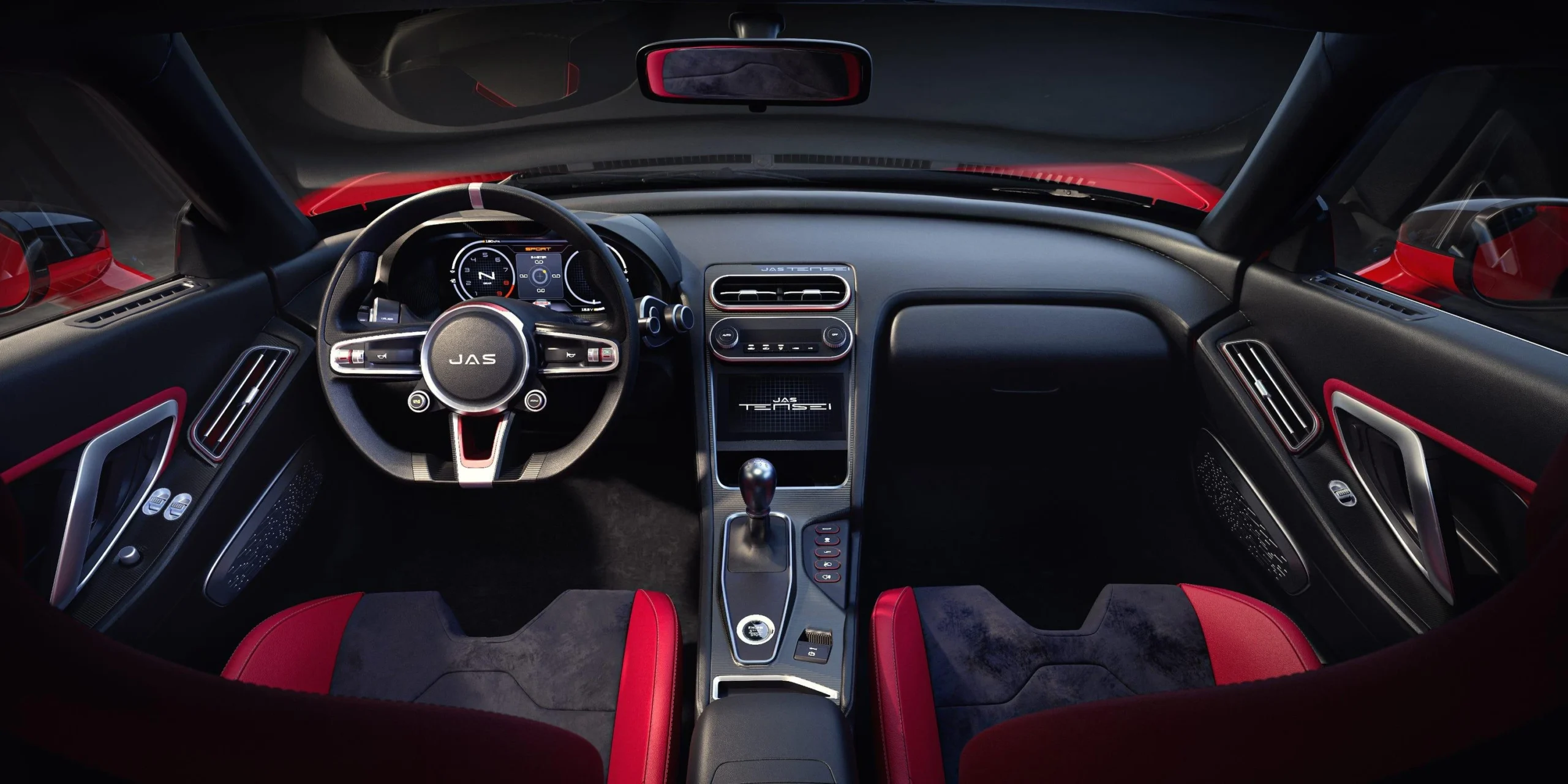
The interior follows the same philosophy as the exterior: preserve the spirit of the original NSX while introducing more contemporary materials and craftsmanship.
Pininfarina has redesigned the cabin around the driver, using materials such as carbon fiber, leather, Alcantara, and titanium. The manual shifter remains a central feature, reinforcing the car’s focus on driver engagement.
Rather than treating the car as a technology showcase, the design emphasizes the relationship between the driver and the machine. The layout aims to combine a classic sports-car atmosphere with the finish and personalization expected from a low-volume luxury vehicle.
Buyers are expected to have opportunities to personalize their cars, making each example more individual. With only 35 planned units, bespoke finishes and carefully selected materials are an important part of the Tensei’s appeal.
Chassis, Suspension, and Braking Upgrades
The JAS Tensei is more than an exterior redesign. Its mechanical package also receives substantial attention.
The published specifications include adjustable KW suspension components and upgraded Brembo braking hardware. Buyers can also specify an optional carbon-ceramic braking system. The car uses a limited-slip differential and revised chassis components intended to complement its increased performance.
These changes matter because increasing engine output is only one part of building a capable sports car. The suspension must control body movements, the brakes must manage repeated deceleration, and the chassis must provide predictable responses to driver inputs.
The Tensei’s engineering approach seeks to improve these areas while retaining the character associated with the first-generation NSX.
Official performance figures such as 0–60 mph acceleration, top speed, and lap times should not be assumed unless JAS Motorsport publishes confirmed results.
JAS Tensei Price and Production Numbers
Exclusivity is central to the JAS Tensei’s identity. JAS Motorsport plans to build only 35 examples worldwide, placing the car firmly in the ultra-limited collector market.
Published reports have cited a starting price of approximately €880,000, with the original donor car supplied by the customer costing extra. Final pricing may depend on customization, specification, and other options. That price puts the Tensei far beyond the cost of an ordinary used Honda NSX. Buyers are paying not just for the underlying car, but for its extensive re-engineering, carbon-fiber bodywork, Pininfarina design, specialist engine work, and limited production run.
For collectors, rarity and provenance may be just as important as outright speed. With only 35 examples planned, the Tensei is aimed at buyers who want something considerably more exclusive than a conventional sports car.
Will the JAS Tensei Be Available in the United States?
The Tensei has attracted attention from American enthusiasts because the original NSX was sold in the United States under the Acura name.
Reports have identified Graham Rahal Performance as the designated US sales and support partner, with Pfaff Reserve handling Canada. This gives North American collectors a route to inquire about the project.
However, prospective buyers should confirm ordering details, delivery timing, the availability of production slots, and applicable road-registration requirements directly with the authorized sales partner. Availability through a dealer does not automatically guarantee that every specification can be registered for road use in every US state.
For enthusiasts who have long wanted a modernized first-generation NSX, the Tensei offers a particularly rare opportunity—but it comes with a price and ownership experience intended for a small group of collectors.
JAS Tensei vs. the Original Honda NSX
The original NSX earned its reputation through a combination of mid-engine balance, everyday usability, and a high-revving V6. The Tensei builds on that foundation rather than replacing it with an entirely different concept.
Its key differences include a redesigned carbon-fiber body, more power, updated suspension and braking components, and a more bespoke interior. The six-speed manual transmission and naturally aspirated engine preserve the traditional sports-car experience.
The biggest difference is the intended buyer. The original NSX was an attainable alternative to many European exotics when new. The Tensei, by contrast, is an ultra-exclusive, high-priced re-engineered car for collectors and enthusiasts willing to pay a substantial premium for craftsmanship and rarity.
Frequently Asked Questions
Is the JAS Tensei a new Honda NSX?
No. It is a limited-run reinterpretation of the first-generation Honda NSX developed by JAS Motorsport, with design work by Pininfarina.
How much horsepower does the JAS Tensei produce?
JAS Motorsport lists approximately 420 bhp from its naturally aspirated 3.5-liter V6 engine.
Does the JAS Tensei have a manual transmission?
Yes. The published specification includes a six-speed manual transmission and a limited-slip differential.
How many JAS Tensei cars will be built?
Production is planned to be limited to 35 examples worldwide.
How much does the JAS Tensei cost?
Published reports cite a starting price of around €880,000, excluding the donor NSX. Buyers should confirm final pricing and options with JAS Motorsport or its sales partners.
Is the JAS Tensei coming to the US?
North American sales and support partners have been reported. Buyers should contact the designated US partner to confirm current availability, ordering, and registration requirements.
Final Thoughts
The JAS Tensei shows how a legendary sports car can be reimagined without losing its defining character. Its naturally aspirated V6, six-speed manual transmission, carbon-fiber body, and recognizable pop-up headlights connect it to the original Honda NSX while giving it a more modern and exclusive identity.
With just 35 examples planned and a reported starting price of around €880,000 before the donor car, the Tensei will remain out of reach for most enthusiasts. Yet its arrival is significant for collectors who value lightweight construction, high-revving engines, and hands-on driving.
Rather than being a factory Honda comeback, the JAS Tensei is a specialist-built tribute to one of Japan’s most influential sports cars—and a reminder that the appeal of a great driver’s car goes beyond horsepower alone.
About The Author